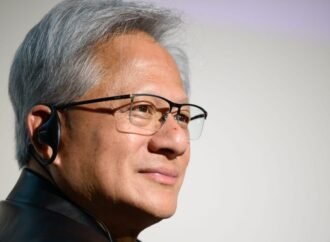
Nvidia has been in talks to acquire Hugging Face, the popular AI platform for sharing and building with open-source models, in what could be one of the chip giant’s biggest deals yet. The two parties have had acquisition conversations in recent weeks about a deal that would value Hugging Face at more than $13 billion,
The investigation seeks to determine whether OpenAI’s safety practices violated state consumer protection laws and pose a risk to Alabama citizens, the AG’s office said in a statement. “This AI lab leak showed that Alabamians’ and Americans’ worst fears about artificial intelligence are not just theoretical,” said Attorney General Steve Marshall. “Our investigation seeks to
The AI industry’s next blockbuster acquisition may not be another model maker. Hugging Face, whose platform helps developers discover, share, and build AI models, has been exploring a sale that could value the company at $13 billion or more. The startup has been working with a bank to evaluate bidders’ interest, and no deal has
On Tuesday, OpenAI announced a new batch of security policies focused on containing security incidents while models are being tested. The new safeguards include more detailed monitoring of models during the development process, as well as greater emphasis on alignment and security during the post-training process. “As models become more capable, the risks associated with
OpenAI said it paused some aspects of AI training for two weeks following the July incident in which its AI models broke out of a controlled test environment and hacked the systems of AI company Hugging Face and four other unnamed services. The company also announced new protocols that it says are designed to prevent
OpenAI is announcing security updates following the July news that its AI broke out of a sandboxed environment and accidentally hacked Hugging Face, including improvements to its research environments, monitoring, and alignment techniques. The company had already put the brakes on a new model, Astra, that it thinks could have “critical” cybersecurity capabilities, and the