VIDEO REVIEW: Tesla Model Y L: The 6-seater variant of the popular electric SUV arrives in Australia
- AI, ai coding assistant, AI regulation, Artificial Intelligence, openai, Reviews, Tech, Technology, Tesla, Vehicles
- March 29, 2026

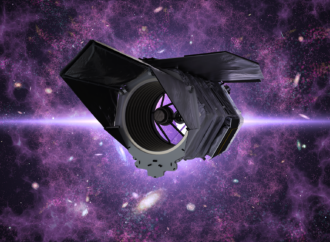
Set to launch on Sunday, Aug. 30, NASA’s Nancy Grace Roman Space Telescope will empower astronomers to explore vast regions of the cosmos and settle essential questions in the areas of dark energy, dark matter, planets outside our solar system, and the formation and growth of galaxies over cosmic time. Key contributions to Roman’s mission
READ MORE
NASA’s Ames Research Center in California’s Silicon Valley invites media to learn more about NASA’s Nancy Grace Roman Space Telescope, scheduled to launch Sunday, Aug. 30, 2026, from NASA’s Kennedy Space Center in Florida. The Roman telescope will provide a wide, detailed view of the universe, helping scientists study dark energy, exoplanets, and cosmic structures.
READ MORE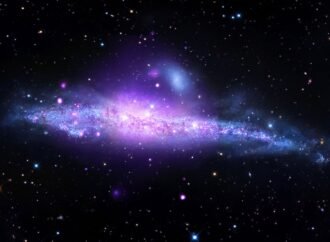
Galaxies are like cosmic gems, each with characteristics including size and shape that make them distinct. A new gallery released today from NASA’s Chandra X-ray Observatory and other telescopes displays a collection of galactic images that showcase this variety. Astronomers put galaxies into three main categories: spirals like our own Milky Way with arms emanating
READ MORE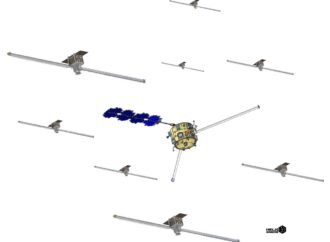
Fully autonomous space mission operations require the ability to detect faults and compensate for them without human intervention. To address this challenge and provide model-based support for system design and operations, it is important to connect fault management (FM) and model-based systems engineering (MBSE). This approach was successfully demonstrated with the model-based generation of a
READ MORE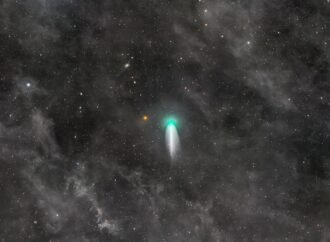
Explanation: Comet 220P is unexpectedly bright. Normally, periodic Comet 220P/McNaught is so dim that to see it requires a telescope. Two surprising outbursts this year, however, have made it about 20,000 times brighter than usual, so that it is now visible with binoculars and long-duration camera exposures. As expected, Comet 220P continues to orbit the
READ MORE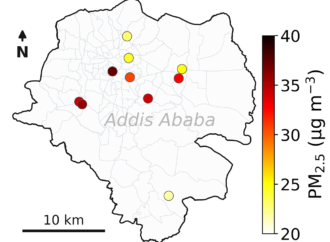
This map of Addis Ababa, the capital of Ethiopia, shows the locations of 10 air sensors that NASA’s Multi-Angle Imager for Aerosols (MAIA) mission is using to provide one of the most detailed looks ever at the city’s air pollution. Over the course of three years, these sensors measured particulate matter that is 2.5 micrometers or less in
READ MORE