Receive the daily Popular Science newsletter💡 Breakthroughs, discoveries and DIY tips delivered six days a week. By registering, you confirm that you are over 16 years of age, will receive newsletters and promotional content, agree to our Terms of Use, and acknowledge the data practices in our Privacy Policy. You can unsubscribe at any time.
Metal detectors find a lot of trash underground, but the good ones know the importance of always taking a closer look at their discoveries. Recently, an amateur named Morten Eek unearthed a grim little discovery in southwestern Norway, near Utstein Abbey. With one side silver and the other apparently copper, Eek assumed he had found another post-medieval clothing button commonly found in the area.
Only while reexamining the object months later did he and his fellow detectorists notice a previously overlooked detail on the brighter side of the supposed button: a clearly visible cross design. Examining it with a magnifying lens also revealed that the copper side was actually a plate attached and folded around the edge of the coin. After consulting historical numismatic (coin-related) records, Eek decided to take the “button” to archaeologists at the University of Stavanger in Norway.
The experts’ analysis further reinforced the suspicion that this was no ordinary clothing accessory. The copper side of the artifact was an example of what is known as secondary modification, when an object is later altered to serve a different purpose. In this case, two small notches along the edge suggested holes for a chain or cord. The “cross on cross” design of the silver side further underlined archaeologists’ theory that the button was actually a Viking Age Norwegian coin dating to the late 11th or early 12th century AD.
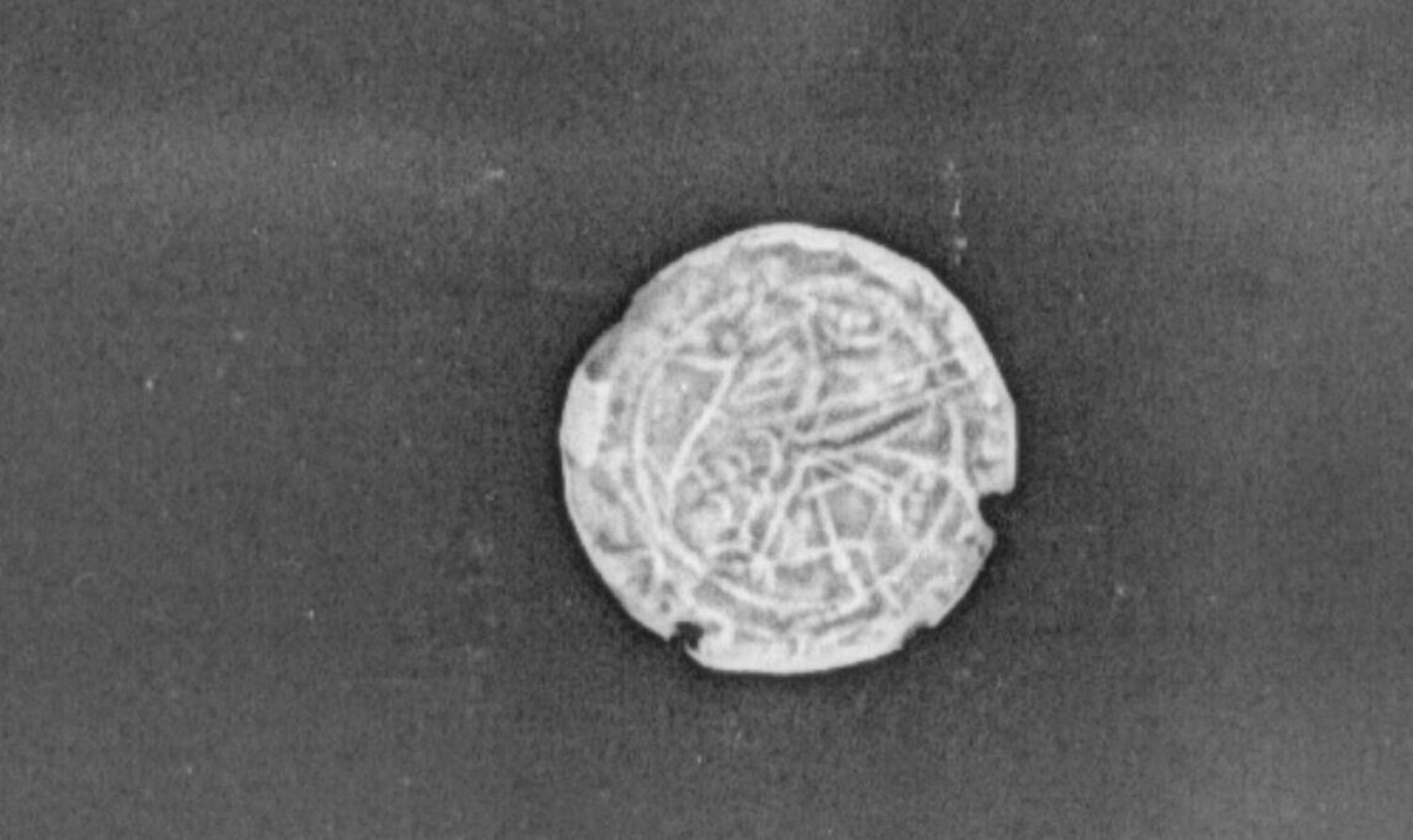
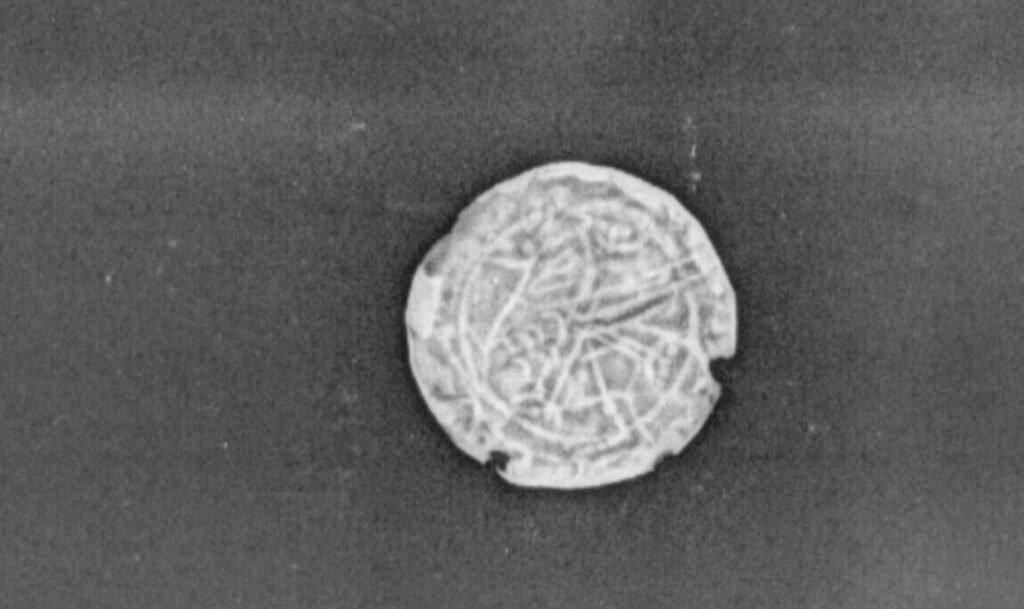
Although the brighter side also bore an inscription, it was too fragmentary to discern. The team suspected that similar text could be found beneath the copper plate, but knew that removing it would compromise the historical integrity of the delicate object. Instead, they opted to use X-ray imaging, which discovered a griffin-like creature on the opposite face.
With that, they finally had their answer. Eek had found no button; He discovered a rare coin minted during the reign of Magnus Berrføtt, also known as Magnus Barefoot.
King of Norway from 1093 to 1103 CE, Barefoot is considered the country’s last Viking ruler and is remembered for his attempts to extend power across the North Atlantic. Compared to his relatively peaceful father, Olaf Kyrre, the last monarch’s legacy is much bloodier and more violent. His ambitions eventually brought Norwegian influence to the Western Isles, the Isle of Man, parts of Ireland and the Hebrides. These excursions made him many enemies, and Barefoot died around the age of 30 in Ireland after being ambushed during his second western campaign.
Beyond his military objectives, the Barefoot King is also remembered for coins such as the one discovered near Utstein Abbey. He enacted important monetary reforms, specifically regarding the coinage of silver content. As Arkeonews explained, he ordered the weight of the coins to be reduced while maintaining the same amount of silver, which increased their purity to around 90 percent.
Only about 100 barefoot coins are known to archaeologists, making Eek’s find an important discovery for historians. With closer examination, researchers will soon be able to tell where it was minted based on the foundry, which would better contextualize the scale and organization of coin production at the end of the Viking Age. Not bad for a wrong button.

2025 PopSci Best of what’s new
Keep following us for the latest insights.