Buying an electric vehicle is only the first half of making the switch. The second, and often more important, step is figuring out how you are going to charge it without sending your quarterly electricity bill through the roof. For years, home charging was treated like an afterthought. Most drivers made do with a standard
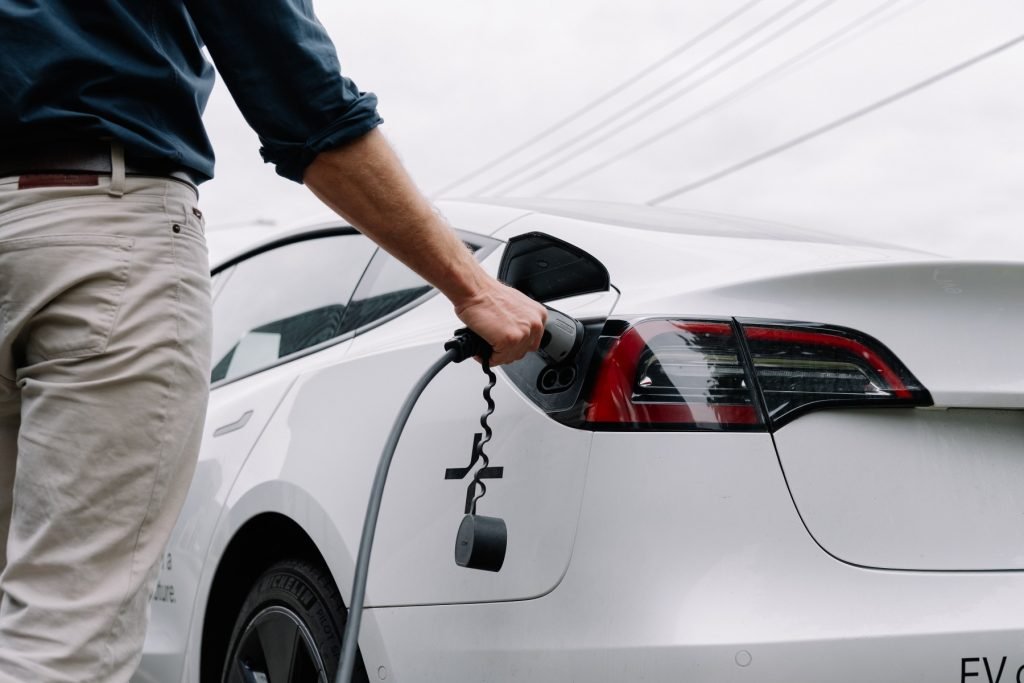
Buying an electric vehicle is only the first half of making the switch. The second, and often more important, step is figuring out how you are going to charge it without sending your quarterly electricity bill through the roof.
For years, home charging was treated like an afterthought. Most drivers made do with a standard 10A trickle cable plugged into an outdoor powerpoint, waiting overnight for a decent top-up.
Those wanting faster speeds often had to settle for generic wallboxes that treated the vehicle like any other dumb appliance, pulling maximum current regardless of what the rest of the house was consuming or what the grid was doing.
That dynamic is changing rapidly across Australia. Australasian home EV charger manufacturer Evnex has officially crossed 20,000 chargers installed and connected across Australia and New Zealand. While the raw number is impressive, the pace of that growth reveals where the local market is heading.
It took Evnex eight years to build, sell, and commission its first 10,000 chargers following its launch in 2017. The second 10,000 took just nine months.
Australia leads the charge across the Tasman
Evnex now sells roughly twice as many units in Australia as it does in New Zealand. This month, the total tally of active Australian chargers caught up to New Zealand’s install base, a crossover mark the company did not expect to reach for at least another twelve months.
That shift directly reflects what is happening on our roads. Electric vehicle adoption in Australia is hitting record numbers. July delivered the strongest July monthly sales result in Australian automotive history, with 108,577 new vehicles delivered. More than one in five of those was a pure battery electric vehicle (BEV).
BEVs have now claimed more than 20 per cent of all new vehicle sales for consecutive months, pushing total EV deliveries past 127,244 units so far in 2026. If you widen the scope to include plug-in hybrids (PHEVs), the trend is impossible to ignore. In June, more than a third of every new passenger car sold in Australia came with a plug. Twelve months earlier, that figure was sitting around one in nine.
The rapid shift from niche enthusiast vehicle to standard family transport has accelerated demand for dedicated home infrastructure.
Managing energy instead of just pulling amps
Across its fleet, Evnex chargers have pumped out 75 GWh of energy since launch. That represents around 450 million kilometres of zero-tailpipe driving. To put that in perspective, that volume of electricity could power roughly 12,500 typical Aussie homes for an entire year.
At standard retail electricity rates, that power has a headline value of roughly A$22 million. However, Evnex telemetry indicates that its owners paid roughly half of that figure.
Rather than plugging in during peak evening demand between 5:00 pm and 8:00 pm, drivers are scheduling sessions overnight on cheap off-peak tariffs or soaking up rooftop solar in the middle of the day.
“The home charger is quietly becoming part of the energy system itself – soaking up low cost power when it is abundant today, and ultimately helping enable technologies such as vehicle-to-grid in the future.”
Ed Harvey, Founder and CEO, Evnex.
This is where the distinction between a dumb wallbox and an integrated smart charger becomes clear. A high-draw 7.4 kW single-phase or 22 kW three-phase unit drawing uncontrolled power during peak periods can wipe out the running cost advantage of owning an EV.
Australia’s domestic grid is unique. More than 4.3 million Australian households and small businesses have rooftop solar installed, representing 28.3 GW of generating capacity. That is now larger than our entire remaining coal-fired generation fleet, which sits at 22.5 GW.
Home storage is scaling up at the same time. More than 500,000 residential batteries have been installed under the Federal Government’s Cheaper Home Batteries Program, a milestone passed in August.
On top of that, dynamic retail programs like the Federal Government’s Solar Sharer Offer give qualifying households across New South Wales, South East Queensland, and South Australia 3 hours of free grid electricity during the midday solar soak window.
An EV battery is essentially a massive sponge on wheels. Integrating charger management with excess solar generation and dynamic daytime tariffs turns the vehicle into an asset for the home rather than a strain on the local substation.
Bridging the gap for non-solar households
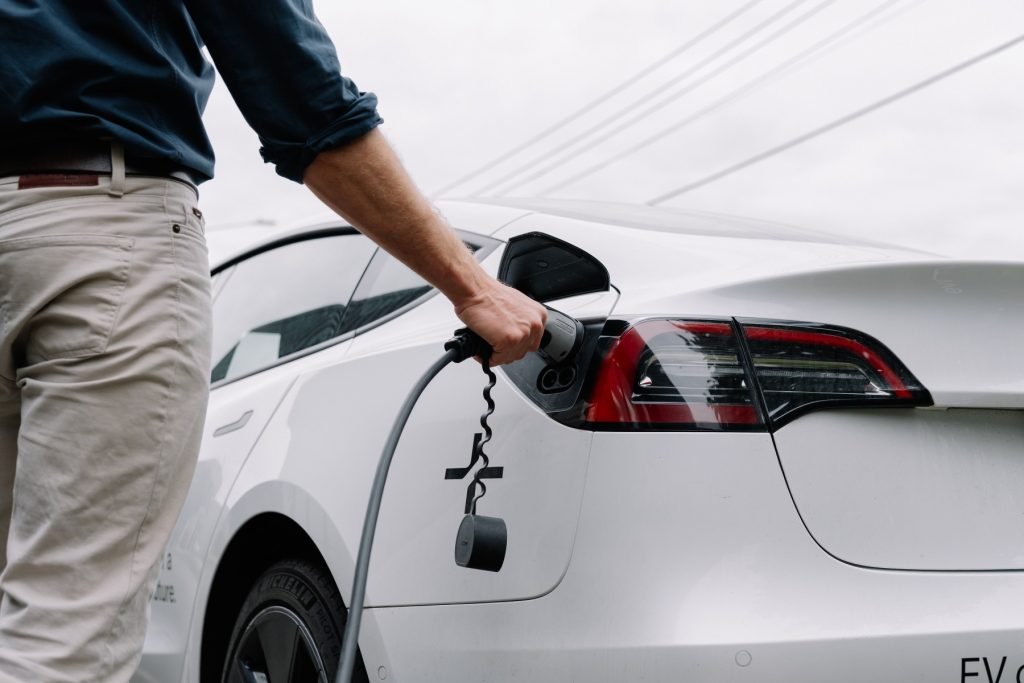
A common barrier for EV owners who do not yet own rooftop panels has been the upfront price premium of smart solar charging hardware.
To address that, Evnex expanded its hardware line-up with the E2 Flex. Starting at A$799 for the unit alone (or around A$1,250 to A$1,600 fully installed through certified trade partners), the E2 Flex targets the two-thirds of Australian homes that do not yet have solar installed.
It operates out of the box as an intelligent, grid-connected charger with built-in overload protection to stop household main breakers from tripping when the car, air conditioning, and oven run simultaneously.
If the homeowner later installs solar panels, the hardware can be upgraded over-the-air via software to enable solar diversion, avoiding the expense of booking another electrician visit.
The company has also teamed up with EnergyAustralia to deliver integrated solar-smart charging plans directly to retail customers. All Evnex hardware continues to be engineered and manufactured in Christchurch, backed by seven-day technical support.
The road ahead
Passing 20,000 chargers across two countries indicates that electric transport is firmly entering mass adoption in Australia. As vehicle choices expand and local delivery numbers rise, getting home charging right will be what determines whether EV ownership feels effortless or frustrating.
Hardware that adapts to local solar generation and off-peak tariffs makes the entire experience seamless while keeping running costs where they should be: close to zero.
For more information, head to Evnex.
Keep following us for the latest insights.