VIDEO REVIEW: Tesla Model Y L: The 6-seater variant of the popular electric SUV arrives in Australia
- AI, ai coding assistant, AI regulation, Artificial Intelligence, openai, Reviews, Tech, Technology, Tesla, Vehicles
- March 29, 2026

A new report released Thursday by Anthropic alleged persistent distillation attacks by China-based AI companies, which have escalated in recent months as competition in the space has intensified. “Over the last several months, unauthorized labs have developed increasingly sophisticated methods to circumvent our defenses and harvest the capabilities of US frontier models,” the report reads.
READ MORE
The AI race has long been framed as a zero-sum game: Either the US or China will win in the end. But as concerns pile up around the increasing capabilities of AI models—especially AI agents—researchers in both countries are trying to team up to work on AI safety. This week, contributing editor Zoë Schiffer speaks
READ MORE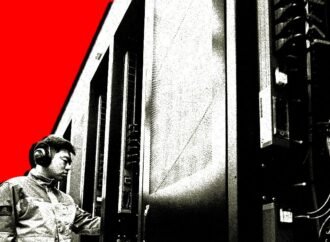
Travel just two hours west of Beijing by train, and you’ll find yourself surrounded by the rolling grasslands and ancient cinder cones of Inner Mongolia. This vast, arid land has long been China’s capital of sheep farming and coal mining, but over the last few years, it has become the hottest place in the country
READ MORE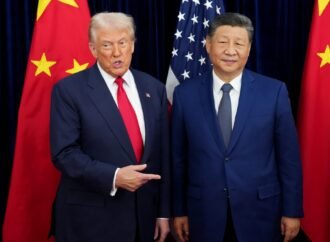
When DeepSeek unveiled an AI model last year that rivaled America’s best at a fraction of the cost, or when a Chinese hypersonic missile test caught U.S. intelligence off guard to the point where a top U.S. general called it “very close” to a “Sputnik moment”, the reaction each time was the same: that a
READ MORE
DeepSeek, the Chinese developer of large language models, is preparing for its IPO debut in 2027, but it could arrive as soon as ind this year as it also seeks to raise about $1.5 billion in new funding at a valuation of about $71 billion, Bloomberg reports. The news comes after the company raised $7
READ MORE