The multiple pairs of smart glasses prototypes I’m trying on are attractive, familiar and lightweight. They look normal, fit my face well and have no cameras. All they have on board is audio and microphone support. These Vonder smart glasses are all about listening to you as much as to others. And they can tell
Meta’s next VR headset isn’t a headset. Meta VR Glasses weigh about 100 grams (about the same as a deck of cards) because the processor, the battery, and the storage all moved out of the frames and into a puck that clips to your pocket. They’ll cost $1,299.99 when they ship in spring 2027, and
If you were overwhelmed by all the new Meta AI smart glasses at its annual Connect event on Wednesday, you’re not alone. CEO Mark Zuckerberg introduced many new glasses, including the reimagined Meta VR glasses that make the Quest 3 and Vision Pro look very old and bulky. But the keynote brought us one more
Meta’s personal AI agent Muse is only a few weeks old, and the social networking giant isn’t wasting any time building out what may be its biggest bet on consumer AI to date. CEO Mark Zuckerberg kicked off the company’s annual Connect event in Menlo Park on Wednesday with a keynote that made one thing
Meta founder and CEO Mark Zuckerberg has gone to great lengths to hype the security of its new AI assistant, Muse, claiming it is “built from the ground up for privacy and security.” A zero-day vulnerability that gives locally run apps and terminal commands complete control of the agent raises serious doubts. Further raising questions,
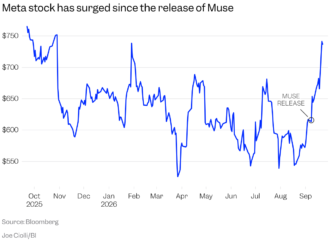
When are we going to stop counting out Mark Zuckerberg? As concerns over AI mounted over the summer, Meta was one of the companies hit hardest. Investors were particularly skeptical about the firm’s massive capex-spending plans, especially since Meta was seen as more concentrated on AI than fellow hyperscalers like Microsoft. But the roaring success