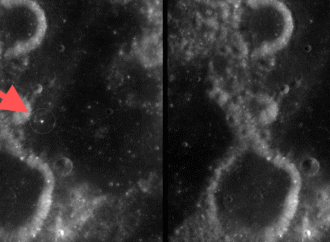
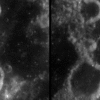
The moon may look desolate and calm, but a lot happens on that dusty landscape. With zero atmosphere, space rocks of all sizes regularly bombard the lunar surface. Most of the debris is microscopic, but astronomers estimate around 140 coffee table-sized asteroids and comets also slam into our moon every year. When they do, the
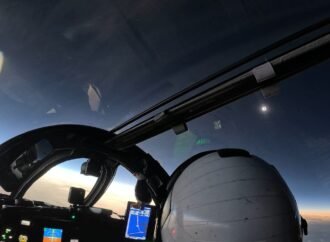
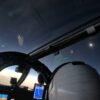
Explanation: Chasing the shadow of a New Moon, NASA’s WB-57F high altitude research aircraft took to the skies off the coast of Iceland on August 12 to observe a total solar eclipse. At 50,000 feet the aircraft was piloted along the precisely determined path of totality to maximize its time in the Moon’s shadow. A
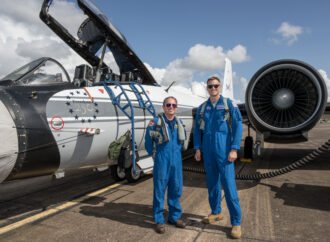
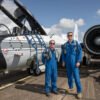
During the Aug. 12 total solar eclipse over Europe, scientists aimed to study a long-standing mystery: why the Sun’s outer atmosphere, the corona, is far hotter than its visible surface. Capturing the data they needed meant being in exactly the right place at exactly the right time. Pilots from NASA’s Johnson Space Center flew the WB-57F high altitude research aircraft from Ellington Field in Houston to Iceland,
Lee esta historia en español aquí. Some of Earth’s microbes likely to hitch a ride to space with human explorers could survive in the shaded nooks and crannies of the Moon’s South Pole region, NASA scientists say. Published on Aug. 19, 2026, in Science Advances, these findings highlight a need to better understand microbial persistence
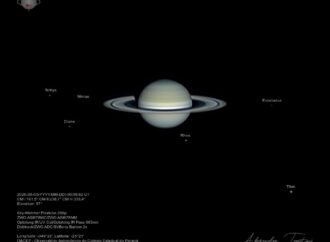
Explanation: How many moons does Saturn have? While the total will likely continue to grow, as of June 2026 the ringed gas giant had 293 confirmed moons. That’s easily more than any other planet of the Solar System, including ruling gas giant Jupiter with a mere 115 confirmed moons. Most of Saturn’s known moons are