VIDEO REVIEW: Tesla Model Y L: The 6-seater variant of the popular electric SUV arrives in Australia
- AI, ai coding assistant, AI regulation, Artificial Intelligence, openai, Reviews, Tech, Technology, Tesla, Vehicles
- March 29, 2026

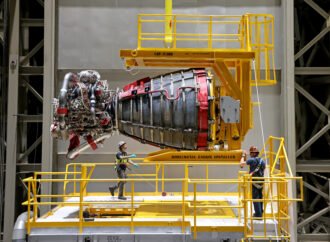
NASA will host a virtual webinar at 2 p.m. EDT on Friday, Oct. 2, titled “The RS-25 Engine and the Future of Artemis Missions: An Accessible Webinar for the Blind and Low-Vision Community.” This webinar is open to the public, however it is tailored specifically for a blind and low-vision audience. The webinar will last about two hours and
READ MORE
The fire department at NASA’s Ames Research Center in California’s Silicon Valley will perform training on the Moffett Federal Airfield beginning Tuesday, Sept. 8 through Friday, Sept. 11. The training will involve the use of a propane-fueled aircraft fire simulator and be conducted from 8 a.m. to 8 p.m. PDT. Because the aircraft simulator is
READ MORE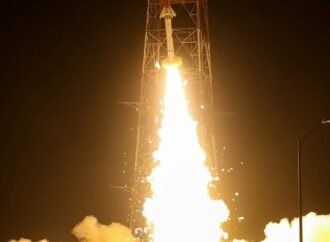
High above Earth, thin veils of metallic haze drift through the edge of space. Known as sporadic E layers, these high-altitude “clouds” form from the vaporized dust of burnt-up meteors, earning their name from the unpredictable way they emerge and then dissipate. Now, new results from a NASA sounding rocket — a suborbital research rocket
READ MORE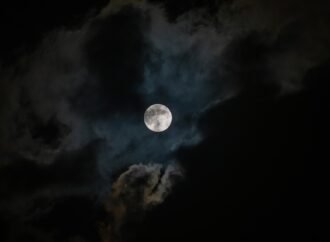
On Aug. 28, 2026 (the evening of Aug. 27 in some time zones), the Moon passed into Earth’s shadow, creating a deep partial lunar eclipse. At the moment of greatest eclipse, 12:13 a.m. EDT, 96.3% of the Moon’s disk was immersed in Earth’s umbra—the central, darkest part of the shadow where sunlight is completely blocked.
READ MORE
Written by Michelle Minitti, MAHLI Deputy Principal Investigator Earth planning date: Friday, Aug. 21, 2026 After Curiosity’s 14 years on the surface, Mars continues to surprise. Both of our workspaces this week contained features unlike quite anything we have seen in the past — broad, shallow pits (like the one in the image above) dotted
READ MORE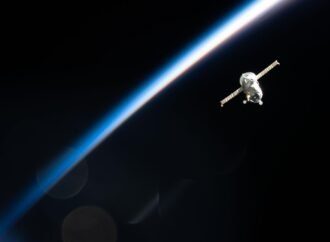
NASA will provide live coverage of the launch and docking of a Roscosmos cargo spacecraft carrying about three tons of food, fuel, and supplies for the crew aboard the International Space Station. The unpiloted Progress 96 resupply spacecraft is scheduled to launch at 12:15 p.m. EDT (9:15 p.m. Baikonur time), Wednesday, Sept. 9, on a
READ MORE