By his own admission, David Robinson is “something of a cliché”: an employee at a leading AI company who issues a dire warning while resigning from their job. In an essay published in The Atlantic, Robinson said he led the writing of safety reports that accompanied OpenAI’s major product launches. He also said that with
A federal judge ruled this week that a Tulsa, Oklahoma sheriff’s deputy violated a woman’s Fourth Amendment rights when using Flock Safety to search for her license plate without a warrant. As reported by 404 Media, this ruling does not create a binding precedent, but it is one of the first times that a federal
Amazon Web Services CEO Matt Garman said the company has stopped using nondisclosure agreements (NDAs) in its dealings with government agencies as it seeks approval to build new data centers. Garman’s statement is just one sentence in a longer blog post in which he tried to push back against widespread suspicion of data centers, and
Sean Parker, the Napster co-founder, has jumped back into the music industry, and he tells The Information that he’s playing by the rules this time. (Asking for forgiveness rather than permission didn’t work out so well last time around, he readily concedes.) Two years ago, he joined an $80 million rescue of Stability AI, the
Meta’s Muse, a personal AI agent that books travel, fills out forms, and shops on a user’s behalf, has already proven popular with the masses, but a new side project could be particularly alluring to tinkerers and hackers. On Friday, the company introduced Muse Gadgets, an open-source project that lets developers build their own hardware
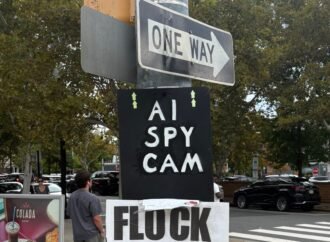
Flock, whose cameras scan license plates across the country, continues to draw public anger, and now Senator Bernie Sanders wants the federal government out of the business altogether. Sanders (D-Vermont) on Friday introduced the Ban Flock Act, which would bar federal agencies from using automatic license plate readers (ALPRs) or tapping into data collected by