VIDEO REVIEW: Tesla Model Y L: The 6-seater variant of the popular electric SUV arrives in Australia
- AI, ai coding assistant, AI regulation, Artificial Intelligence, openai, Reviews, Tech, Technology, Tesla, Vehicles
- March 29, 2026

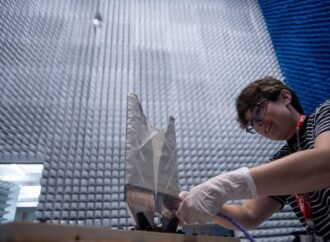
SkyFall ground-penetrating radar engineer Maya Román connects a coaxial cable to a test antenna in the Environmental Test Lab’s electromagnetic interference testing chamber at NASA’s Jet Propulsion Laboratory in Southern California. The antenna was pointed up during test to minimize reflections and interferences with the antenna pattern during the measurement. Equipped with four instruments each, the three
READ MORE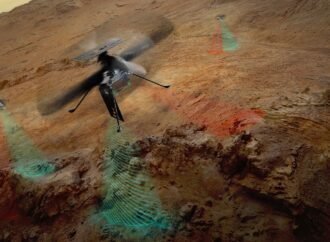
This artist’s concept depicts NASA’s three SkyFall Mars helicopters collecting data while flying over the surface of the Red Planet. The green frequency waves emanating from the helicopters’ large antennas depict collection of subsurface radar data. The red beams depict collect near-infrared imagery data from regolith (crushed rock and dust) and other surface features. Equipped
READ MORE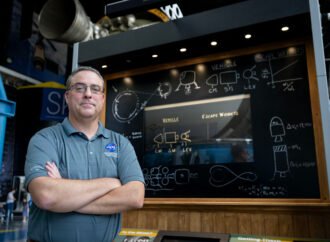
As NASA sets its sights on long-term exploration of the Moon and Mars, the agency is increasing the cadence of its Artemis missions. Helping bring these plans to fruition is Tom Percy, manager of systems engineering and integration for NASA’s Human Landing System Program. Percy serves as a focal point in working with providers SpaceX
READ MORE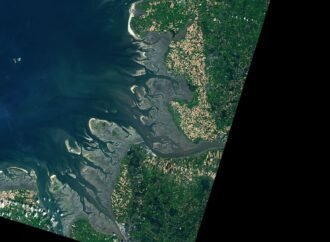
One of the major rivers of Europe, the Elbe flows more than 1,000 kilometers (600 miles) across the continent before reaching the North Sea. At its mouth, the low-lying landscape is continually reshaped by the rise and fall of the tides. These dynamic tidal flats are a boon to biodiversity while sometimes posing challenges for
READ MORE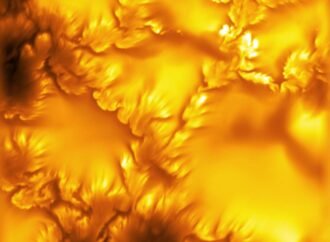
Explanation: What does the new sharpest image of our Sun show? Instability. To be clear, a certain kind of interactive process called the Kelvin-Helmholtz instability (KHI). This instability can create waves and swirls when two streams flow past each other — in this case variable streams of solar magnetic plasma. Long hypothesized to occur on the Sun’s surface, KHI streaks and swirls
READ MORE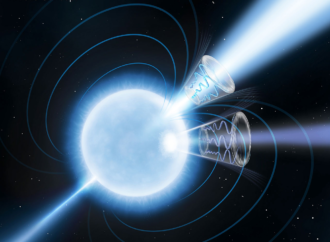
A first of its kind measurement of a magnetar may have captured empty space behaving in a way physicists have predicted for 90 years, but never directly observed. The results published Wednesday in Nature. Magnetars are a special class of neutron stars with ultra-strong magnetic fields, the strongest of any object in the observable universe,
READ MORE