VIDEO REVIEW: Tesla Model Y L: The 6-seater variant of the popular electric SUV arrives in Australia
- AI, ai coding assistant, AI regulation, Artificial Intelligence, openai, Reviews, Tech, Technology, Tesla, Vehicles
- March 29, 2026


From serving in the U.S. Army to helping prepare astronauts to explore the lunar surface, Ike Theriot built a path to NASA through discipline and determination. Theriot serves as the Flight Operations Surface Testing lead in the Exploration Extravehicular Activity Operations Branch within the EVA, Robotics, and Crew Operations Division at NASA’s Johnson Space Center in Houston. He integrates flight operations testing needs
READ MORE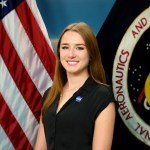
NASA interns at Johnson Space Center are applying their talents to real-world projects while working alongside engineers, scientists, communicators and innovators advancing human spaceflight. Discover how these students are gaining hands-on experience, contributing to real missions, and preparing to join the nation’s highly skilled and competitive aerospace workforce. Meet the students behind the work and
READ MORE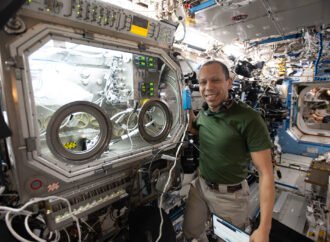
NASA astronaut Chris Williams will summarize his recent eight-month mission aboard the International Space Station during a press conference at 2:45 p.m. EDT on Tuesday, August 4 from the agency’s Johnson Space Center in Houston. NASA will broadcast this event live across a variety of platforms. Learn where to watch online: NASA Live US-based media
READ MORE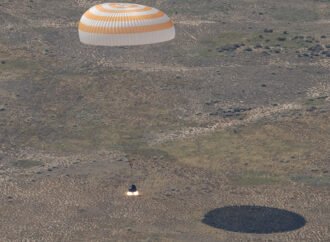
Concluding an eight-month scientific mission aboard the International Space Station, NASA astronaut Chris Williams returned to Earth on Sunday along with Roscosmos cosmonauts Sergey Kud-Sverchkov and Sergei Mikaev. The crew made their safe, parachute-assisted landing at 5:27 am CDT (3:27 pm Kazakhstan time), southeast of Dzhezkazgan, after leaving the space station at 2:03 am, aboard
READ MORE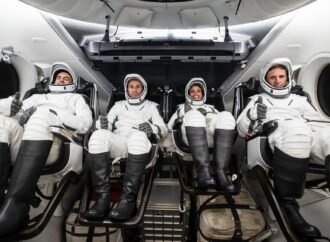
NASA and its partners will discuss the upcoming crew rotation mission to the International Space Station during a pair of press conferences on Monday, August 3, from the agency’s Johnson Space Center in Houston. Mission leadership will provide an overview of NASA’s SpaceX Crew-13 mission at 12 p.m. EDT. Next, crew members will discuss their
READ MORE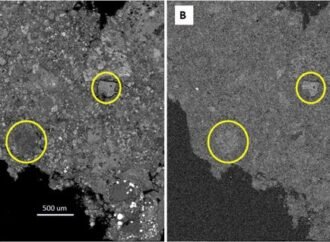
A meteorite recovered immediately after its fall to Earth on July 16, 2024 is helping NASA scientists uncover new clues about ancient water, the chemical evolution of early asteroids, and ingredients that may have helped make life possible throughout the early solar system. This rapid recovery began when an amateur astronomer from New Jersey quickly
READ MORE